How to Choose a Kigonki
You choose a Kigonki mainly according to the model, tuning, sound, and color finish. All are handcrafted in Spain and each variant has a slightly different character.
Kigonki Enki has notes on one side. It sounds brighter and livelier and has a shorter sustain, making it well suited for more rhythmic playing. It is suitable for melodies, gentle rhythms, and spontaneous intuitive play.
Kigonki Lulu has notes on both sides, top and bottom. Because of this, it sounds fuller, more spatial, and has a longer sustain. The notes on both sides gently resonate together, creating a richer sound and beautiful harmony. Lulu is suitable for meditation, relaxation, slower intuitive playing, and moments when you want to let the notes flow for a long time.
Tuning is also important. Minor tunings, such as B minor, D minor, or B minor (H minor), feel calmer and more dreamy. Major tunings, such as G major, sound more open and bright. It is best to choose by listening - for individual instruments, you will find sound samples to help you pick the tuning and model closest to your heart.
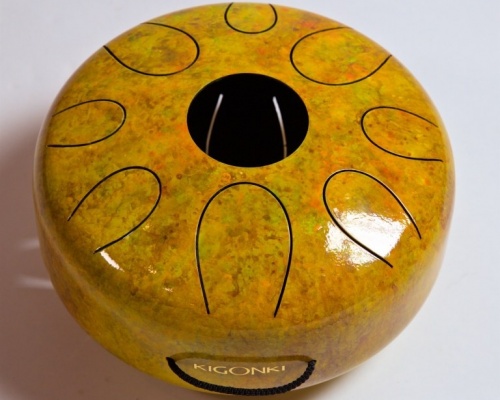
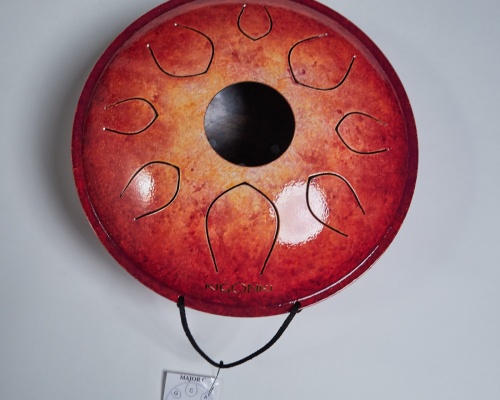
You can choose the color finish according to what you like and what feels right for the instrument. Kigonki are also beautiful to look at, so you can leave them placed in a room as an instrument to which you will love to return.
You can play with fingers or soft mallets. Fingers create a quieter, softer, and more personal sound, while mallets make the notes resonate brighter and fuller. You can naturally alternate between both methods depending on your mood.
When making your choice, we recommend relying primarily on listening. For individual instruments, you will find sound samples. You can also come listen to and try them out in person at our showroom in Jablonec nad Nisou.
Frequently Asked Questions
What is the difference between Kigonki Enki and Lulu?
Enki has notes on one side, sounds brighter and livelier, and has a shorter sustain. Lulu has notes on both sides, so it sounds richer, more spatial, and has a longer sustain.
Are Kigonki suitable for beginners?
Yes. The notes are tuned so that they naturally harmonize together, allowing you to play intuitively by ear, without sheet music and without prior experience.
Is Kigonki played with fingers or mallets?
You can play both ways. Fingers sound softer and quieter, while soft mallets make the note resonate brighter and fuller.
Which tuning should I choose?
Minor tunings feel calmer and more dreamy, while major tunings feel more open and bright. It is best to listen to the sound samples and choose the tuning that appeals to you most.
What is Kigonki suitable for?
It is suitable for meditation, relaxation, intuitive playing, quiet home playing, gentle improvisation, playing together, and as a beautiful gift.
Can I listen to Kigonki before purchasing?
Yes. For individual instruments, you will find sound samples. You can also come listen to and try them out in person at our showroom in Jablonec nad Nisou.